The Ultimate Guide to Efficient Dumpster Loading
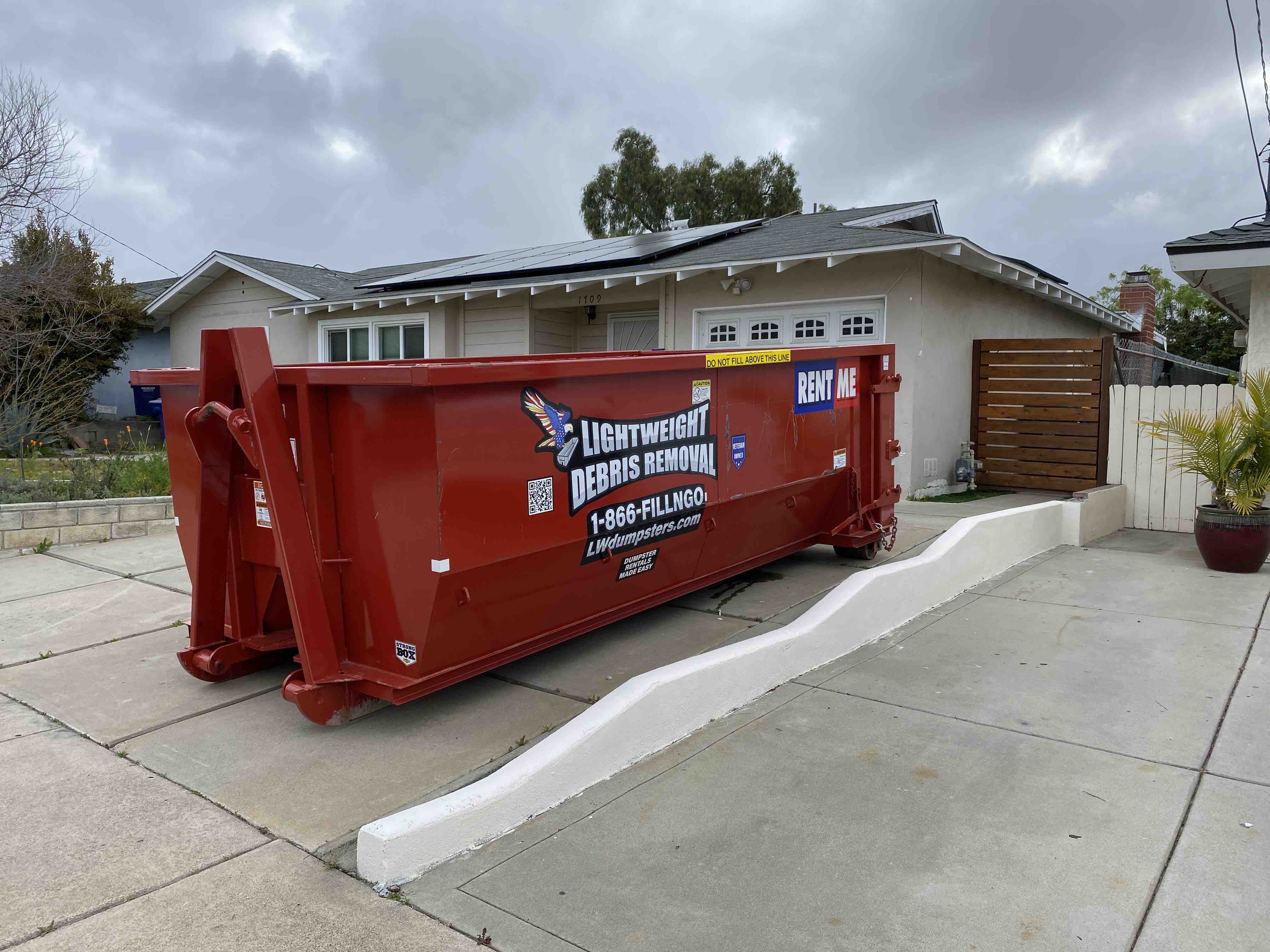
If you're managing a construction, renovation, or decluttering job, you might think dumpster loading is an easy step. However, how materials are arranged can greatly influence space efficiency, safety, and speed. Most people don’t realize how much strategy goes into correct dumpster loading, resulting in inefficient space use, potential danger, and extended work time.
At Lightweight Debris Removal, we highlight that the way you load a dumpster matters as much as picking the right size. By staying organized, you can make the most of your dumpster and keep operations safe and smooth. We strive to help every customer make the best use of their dumpster service through understanding correct loading methods that minimize clutter, avoid damage, and speed up cleanup.
Organizing Before You Begin Loading
Prior to tossing any debris in, it’s crucial to plan ahead. Identify what materials you’ll dispose of and check if any can be recycled, reused, or need special handling. Sorting ahead of time promotes a smooth workflow and limits the need for reorganization later. Separating risky materials improves safety and prevents potential accidents.
Mapping out the order of loading matters just as much. Start by positioning large, heavy pieces at the bottom for balance. Next, stack smaller items above to utilize all available room. Smart preparation reduces the risk of load shifting or tipping during pickup. Strategic organization leads to safer, faster, and more effective loading results.
Using Space Efficiently
Effective space management is essential for optimal dumpster use. Disassemble big items—like cabinets or couches—before loading them. Crushing or flattening materials helps create more usable space. It helps you fit additional material without overcrowding or instability.
You can also use a layering technique for smarter more info space allocation. Lay heavy, flat items first to form a strong base. Continue with smaller, lighter waste to fill the cracks and corners. Avoid stacking debris past the dumpster’s top edge to maintain safety. Smart layering boosts capacity and promotes a safer cleanup process.
Ensuring Safety While Loading a Dumpster
Safety should be at the forefront during every loading task. Always wear gloves, closed-toe shoes, and suitable protective clothing. Make sure your workspace is clear of debris or uneven ground before lifting. Being aware of your surroundings supports a safer environment for everyone involved.
Do not hurl or drop debris from afar into the container, as it can cause unpredictable movement or potential damage. Instead, place objects deliberately and with control. If something is heavy or large, ask for assistance rather than risk injury. Prioritizing safety not only protects workers but keeps operations steady and efficient.
Efficiently Sorting and Arranging Materials
Sorting your waste both before and during loading is a simple yet powerful way to stay organized. Separate different materials like wood, metal, and household refuse for easier management. Doing so not only streamlines the loading phase but also simplifies unloading and proper disposal. You’ll also easily spot recyclable materials, reducing waste and encouraging sustainable habits.
A tidy system helps you avoid reshuffling materials after they’re loaded. Place lightweight materials such as cardboard or fabric on top, while heavy objects go below. This keeps lighter waste from being blown away and maintains load stability. Being organized saves time and creates a smoother, more professional workflow from start to finish.
Preventing Property Damage During Dumpster Placement
While dumpsters are sturdy, the surfaces they rest on can be fragile. Use wooden beams or other protectors beneath to reduce stress on driveways and pavements. Such a simple step goes far in preserving the condition of your working area.
Choosing the right placement location is just as important. Select a flat, accessible space that allows for smooth loading and avoids blocking driveways or walkways. Avoid positioning the dumpster too close to structures or landscaping features that could be damaged. Proper planning and setup promote a damage-free and stress-free project environment.
Maximizing Efficiency for Large Projects
Handling large projects often means managing continuous waste flow. Set up a designated area to collect and organize debris before dumping it in. It promotes even weight distribution and reduces inefficiencies mid-project.
Teamwork and clear communication are essential to efficient operations. Divide responsibilities among your team to maintain consistent progress. A coordinated team ensures a quicker and more streamlined workflow. Effective preparation and teamwork are key to timely, complication-free completion.
What You Should Avoid Loading Into a Dumpster
Certain items aren’t permitted in regular dumpsters, making awareness essential. Hazardous chemicals, paints, and specific electronics must be disposed of through proper channels. Dumping restricted materials risks pollution and additional disposal problems. Check local guidelines before loading to stay compliant and safe.
Do not overfill or overload the dumpster to maintain safety. Overflowing containers lead to instability and may require extra handling. Proper loading maintains safe handling and regulatory compliance. Keeping within restrictions prevents delays and complications at pickup time.
Choosing a Dependable Dumpster Rental Partner
Having a reliable dumpster rental company by your side streamlines the job significantly. Lightweight Debris Removal delivers dependable and professional dumpster solutions to simplify cleanup for any project. From drop-off to collection, our team ensures a seamless and worry-free rental experience.
Selecting a customer-focused company enhances your rental experience. Clear communication, reliability, and efficiency are what make a project succeed. Lightweight Debris Removal remains committed to supporting customers in achieving clean, safe, and efficient waste solutions.
Maintaining a Clean and Efficient Project Site
Proper dumpster organization contributes to faster, more productive results. Keeping order at the site minimizes distractions and enhances coordination. Using effective organization turns cleanup into a natural step in the process.
Lightweight Debris Removal inspires users to view dumpster loading as an opportunity for improvement. This approach enhances safety, promotes productivity, and preserves property. Through foresight, precision, and teamwork, dumpster loading transforms into a vital part of success.